as the demand for cross-border video live broadcast and large file transmission increases, choosing japanese native ip can significantly improve the access experience of japanese local users. this article provides a set of implementable optimization solutions from aspects such as lines, servers, transmission protocols, cdn and security, and includes purchase suggestions.
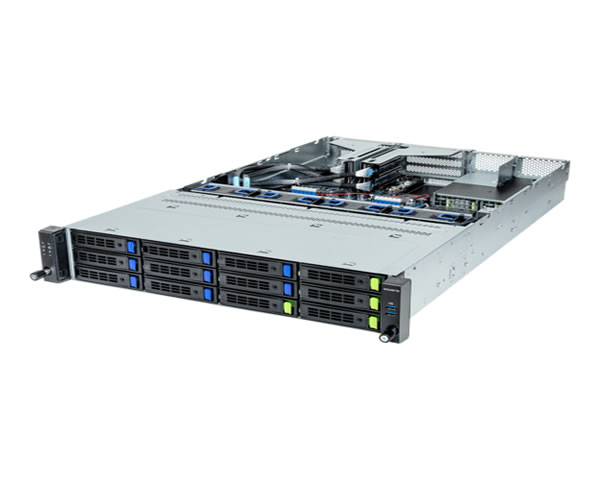
why use japanese native ip? native ip can ensure route localization, reduce delay jitter, and improve bandwidth stability. it is particularly critical for low-latency live broadcasts (such as e-commerce delivery, online education) and large file transfers of more than ten gb. compared with shared or proxy ip, native ip is more conducive to registration, reputation and direct access by cdn edge nodes.
the mainstream ways to obtain japanese native ip include: purchasing japanese vps or dedicated server, hosting equipment in japanese computer room, renting japanese ip segment or dedicated line access. it is recommended to give priority to suppliers with japanese local backbone bandwidth and multi-line bgp to ensure backhaul and uplink quality.
at the network and routing level, you should choose multi-line bgp or a computer room directly connected to the japanese backbone, and try to avoid a single forwarding node. the peak value of the upstream bandwidth must be reserved, and the bandwidth requirements are estimated based on concurrent live streams and concurrent uploads. also pay attention to the ipv4 address pool and reverse dns configuration to facilitate identification of the streaming media platform and cdn.
video live broadcast optimization focuses on protocol and distribution. it is recommended to use stable protocols such as rtmp/srt/webrtc for front-end streaming. the server is connected to cdn for edge distribution and supports transcoding, resolution adaptation and low-latency mode. using edge nodes to cache key segments can reduce bandwidth pressure on the main source and improve the viewer experience.
for large file transfer, it is recommended to adopt breakpoint resume transfer, multi-thread sharding, object storage (such as s3 compatible) and dedicated line acceleration. udp-based acceleration protocols (such as uftp, srt or commercial accelerators) can be used to reduce efficiency losses caused by packet loss and retransmission. for very large files, you can also consider p2p or intranet distribution combined with cdn back-to-origin.
server and vps configuration recommendations: it is recommended that the live broadcast main site or file source use a multi-core cpu, sufficient memory, and an enterprise-class ssd. the network card supports high concurrent connections and large packet throughput. at the kernel level, tcp windows, congestion control, and file descriptors are tuned, and nginx/nginx-rtmp or mediaserver components are used for traffic processing.
in terms of load sharing and domain name resolution, geodns or anycast should be used in combination with local dns resolution strategies to achieve nearby scheduling. the front end can use load balancing (such as haproxy, nginx) for traffic distribution and health checks, and cooperate with cdn strategies to achieve automatic and elastic expansion of hot traffic.
in terms of security, high-defense ddos and traffic cleaning services must be deployed, especially during peak live broadcast periods and commercial activities. cooperate with waf, ssl encryption and access control to prevent attacks from affecting the continuity of live broadcast and file transfer success rate. it is recommended to choose high-defense products with flow-based cleaning and peak-based pricing mechanisms.
when choosing a cdn and accelerator, give priority to edge node coverage in japan, back-to-origin optimization capabilities, and support for resumed downloads of large files. combining the edge caching strategy with the back-to-origin bandwidth pool design can significantly reduce the bandwidth cost of the main station and improve the concurrency capability. when purchasing, you can try it out to evaluate latency, packet loss, and concurrent processing capabilities.
comprehensive suggestion: in order to reliably deploy japan's native ip environment, first evaluate the number of concurrent live broadcast channels, single stream bit rate and number of concurrent uploads of large files, and choose a vps or dedicated server as needed and equip it with cdn and high-defense. when purchasing, compare the supplier's ip ownership, bandwidth quality, direct line connection and after-sales support. it is recommended to give priority to purchasing packages with local computer rooms and multi-line access.
if you need stable japanese native ip and one-stop deployment services, it is recommended to choose dexun telecommunications. dexun telecommunications has local computer rooms and multi-line bgp access in japan. it provides vps/dedicated server, cdn, high-defense ddos and domain name resolution and other products. it supports trial and customized bandwidth solutions, and is suitable for production environment deployment of live video broadcast and large file transmission. contact dexun telecommunications for professional consultation and purchase discounts.
- Latest articles
- Popular tags
-
Guide To Obtaining Japanese Proxy Server Ip Address And Port Number
this article details how to obtain the ip address and port number of a japanese proxy server, including practical steps and how-to guides. -

Cross-region Gameplay Guide To Maintain Stable Connection With Friends In Playerunknown’s Battlegrounds Japanese Servers
detailed cross-region play guide, focusing on the practical steps to maintain a stable connection with friends on the pubg japanese server: server selection, network optimization, wired settings, port mapping, accelerator use, steam invitation and troubleshooting, etc. you can get started directly by following the steps. -

Server Usage And Evaluation In Japanese Hotels
this article discusses the usage and evaluation of servers in japanese hotels in detail, including server configuration, use cases and technical analysis.